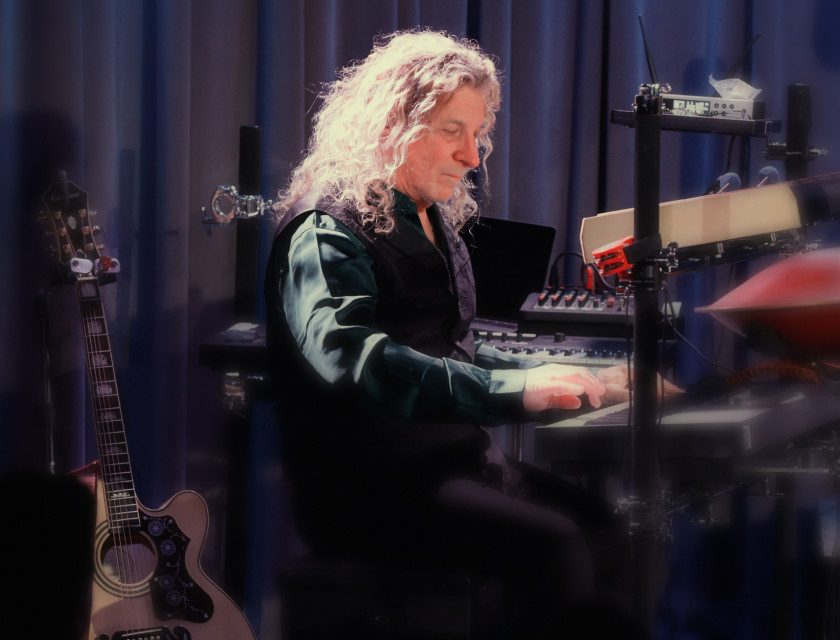
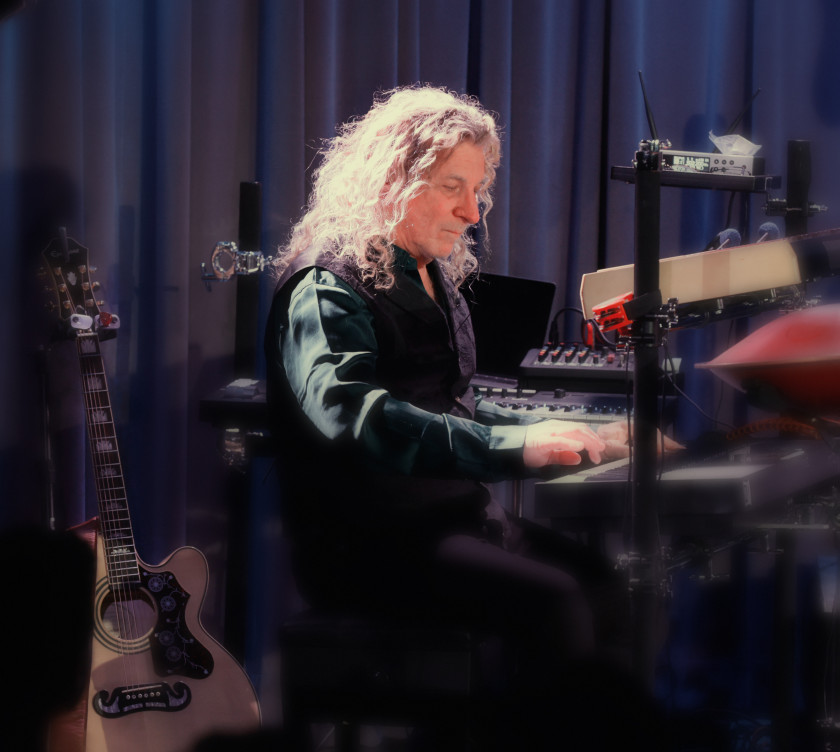
Few artists in contemporary instrumental music have built a world as expansive and evocative as David Arkenstone. Since the release of Valley in the Clouds in 1987, Arkenstone has become one of the genre’s most distinctive voices, earning five Grammy nominations and creating a body of work that moves effortlessly through new age, ambient, Celtic, neoclassical, world, and cinematic orchestral music. His work has also extended far beyond the album format, including music for World of Warcraft and themes for NBC Sports.
What makes Arkenstone’s music so enduring is its remarkable sense of transport. His compositions do more than simply play in the background. They draw listeners into imagined landscapes filled with reflection, adventure, and wonder. For Real Music Hype, it was a pleasure to speak with an artist whose work has helped define the emotional and imaginative power of instrumental music for decades.
Your music has always felt cinematic and visual. When you begin composing, what usually comes first for you? Is it an emotion, a melody, an imagined scene, or something else entirely?
It really varies from piece to piece. Sometimes it begins with an emotion I’m trying to capture or a ‘sound’ that I discover. Other times I’m searching for a particular sound or texture, experimenting and letting the music reveal itself along the way.
When I’m composing for film or video games, the visual world plays a big role. I’m often responding to artwork or specific scenes provided to me, so the music becomes a way of enhancing and deepening that visual experience.
And then there are moments where inspiration comes from something I’ve seen, heard, or read that sparks an idea.
What do you think makes instrumental music so powerful in sparking imagination for listeners?
Instrumental music gives the listener complete freedom to imagine without lyrics guiding the narrative. People can create their own images, stories, and emotional connections. It becomes a very personal experience. Whether someone is listening to my fairy series or Music Inspired by Middle Earth, they’re invited into that world, and the music meets each listener in a different way. My newest album, Astral Journeys: A Window to the Soul, releasing June 2026, encourages listeners to step into a calm, meditative space and explore whatever they find there.
You’ve explored many styles, such as new age, Celtic, world, and orchestral. How do you decide which sonic direction each piece wants to take?
After a bit of work, the piece usually tells me where it wants to go. I listen to what the music is naturally becoming and follow that path. I find that’s where my most authentic and interesting results come from.
After all these years, what still excites you the most when you sit down to create something new?
Just experimenting with sound, trying something new, and wondering where that adventure will take me. It’s like stepping into the unknown. That curiosity is what continues to inspire me after all these years.
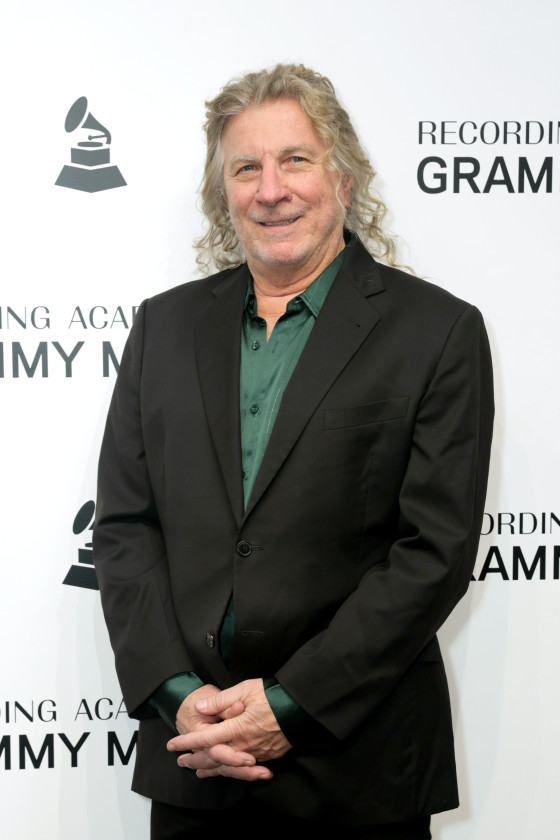
You’ve worked with so many textures and instruments over your career. Are there particular sounds or instruments that feel most connected to your musical identity?
Not really. I’ve always been drawn to a large palette of sounds and instruments. Part of what I feel defines my musical identity is that sense of exploration. I enjoy blending different instruments and textures, whether orchestral, electronic, or rooted in world traditions.
Do you prefer leaving your compositions open for listeners to interpret, or do you usually have a specific story behind each piece?
Very often I have imagery in my head, but I’m just as happy if the listener goes their own way. Sometimes there’s a specific story, as with Quest for the Runestone; sometimes there’s merely a theme, as with the fairy series. But there’s usually some kind of visual or emotional narrative guiding me as I create the piece. But once the music is out in the world, it really belongs to the listener. If they imagine something completely different from what I had in mind, that’s part of what makes instrumental music so special.
Live performance and studio creation are very different. What does performing live give you that the studio can’t?
An immediate connection with the listener. In a live setting, there’s an energy that spills over the stage and into the audience. You just can’t replicate that in the studio. Live performance becomes a shared experience in the moment.
For young composers trying to build a lasting career, what lessons have mattered most about staying creative and true to your artistic voice?
Work on music every day and stay connected to the creative process. Find your own identity. That takes time, and it’s not always easy, but it’s what makes your music stand out. And then there’s the challenge of trying to do something that hasn’t been done before, which is very difficult. But even striving toward that can push you into new territory and help you grow as an
artist.
Are you currently working on any upcoming projects, or is there something new in the works that we can look forward to?
My new album Astral Journeys: A Window to the Soul will be released June 12. I’m working on quite a few projects right now, although I can’t really talk about most of them just yet. I will have a new and exciting release at the end of April, and yet another exciting release in July. There’s live performances in the works! What I can say is that there’s always something new taking shape, and I’m so excited about where it’s all heading. I can’t wait to share it all with my fans.